
A Prolific Press journal · 2014–2020
Tanka Journal:
the Japanese tanka form in English
Tanka is a five-line Japanese poem, older than haiku by centuries, written in a 5-7-5-7-7 pattern and built to carry a real feeling: love, grief, gratitude, or the kind of reflection that stays with a reader after the poem stops. Tanka Journal is dedicated to showcasing and celebrating tanka poets and poetry. Everything here is free to read.
The complete archive
Nine issues, every poem
The free online edition, all of it, restored in one place. Every issue was also printed as a paperback.






How a tanka turns
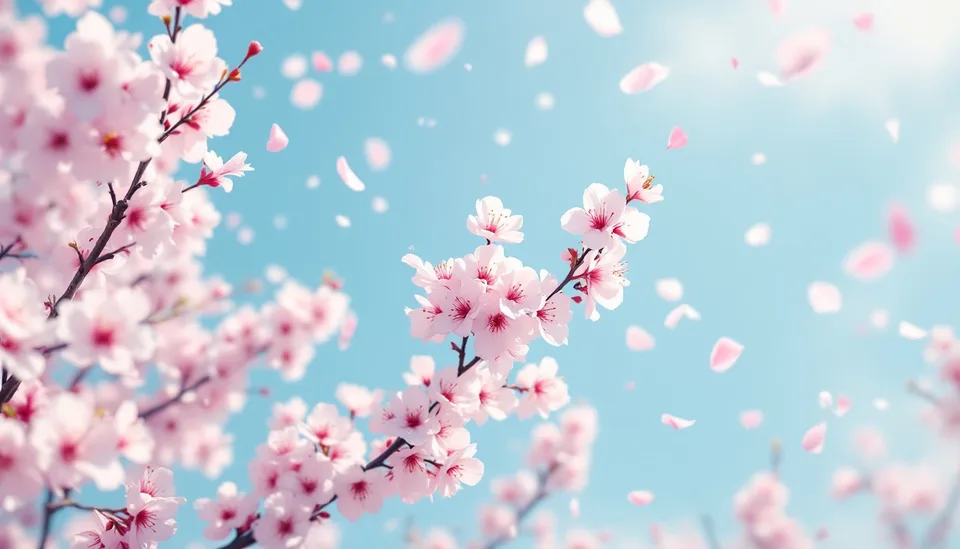
pale blue confetti
smothering yellow primroses
swept away by the wind
the joy of a spring wedding
so quickly forgotten
Tim Gardiner, Issue 1
Think of a tanka as two tercets with a shared line. The first three lines hold an experience; the third line pivots, and the last three reflect on it.
What Is Tanka?
The form, the 5-7-5-7-7 syllable pattern, our Tanka Recipe for writing one, and examples with the pivot pointed out.
How to Write a Tanka
A step-by-step guide: the shape, the pivot line, drafting exercises, and revision.
Tanka vs Haiku
The two forms side by side, and how to tell which one you are actually writing.
Tanka Techniques
Fujiwara Teika’s ten tanka styles, each with a classical and a modern example.
A Short History of Tanka
Thirteen centuries of the form, from the Man’yōshū to tanka in English.
More Reading
Books, journals, and organizations for tanka poets.
About the journal
Free to read, always
Tanka Journal is published by Prolific Press. All nine of our issues remain online to read, and the paperback edition of every issue is still available in the bookstore.
Submissions are permanently closed. (06/06/2020) The archive and the guides above stay open, and they are here for anyone learning the form.